
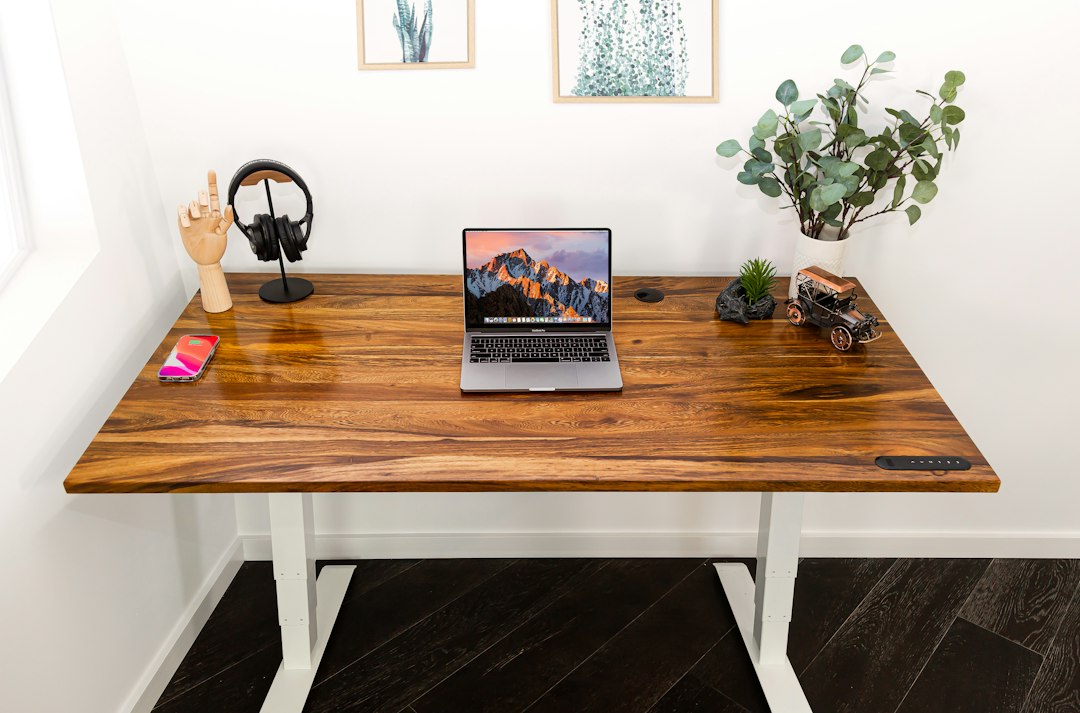
The Ultimate Guide to Choosing the Right Office Furniture
Choosing the right office furniture is crucial for creating a productive and comfortable workspace. As we move into the upcoming year, the landscape of office products is evolving rapidly, driven by innovation and changing work dynamics. Understanding these trends can help you make informed decisions that enhance both functionality and aesthetics in your office environment.
Understanding Your Space
The first step in selecting office furniture is to assess your available space. Consider the layout of your office, including the dimensions and the flow of movement. An open-plan office may require different furniture solutions compared to a more traditional setup. By mapping out your space, you can identify areas that need specific types of furniture, such as desks, chairs, or storage solutions, ensuring that every piece serves a purpose.
Moreover, think about the activities that will take place in your office. Will employees need collaborative spaces for teamwork, or will they require quiet areas for focused work? This understanding will guide your choices, allowing you to select furniture that not only fits the space but also supports the work being done within it.
Embracing Ergonomics
As we enter the next year, the emphasis on ergonomics in office furniture design is more pronounced than ever. Ergonomic furniture is designed to support the body’s natural posture, reducing strain and discomfort during long hours of work. Investing in ergonomic chairs and desks can significantly enhance employee well-being and productivity, making it a trend that is here to stay.
Look for features such as adjustable height desks, lumbar support in chairs, and keyboard trays that promote a healthy working posture. These elements not only contribute to comfort but also help in preventing long-term health issues associated with poor ergonomics. As companies prioritize employee health, the demand for ergonomic solutions will continue to rise.
Incorporating Technology
Another emerging trend in office furniture is the integration of technology. With the rise of remote work and digital collaboration tools, office furniture is evolving to accommodate these changes. Desks equipped with built-in charging ports, cable management systems, and even smart technology that tracks usage patterns are becoming increasingly popular.
As we look ahead, consider how technology can enhance your office setup. Furniture that supports tech integration not only improves functionality but also creates a modern and efficient workspace. This trend reflects a broader shift towards creating environments that are adaptable to the needs of a tech-savvy workforce.
Choosing Sustainable Options
Sustainability is no longer just a buzzword; it is a fundamental aspect of modern office design. As businesses become more environmentally conscious, the demand for sustainable office furniture is on the rise. Look for products made from recycled materials, sustainably sourced wood, and non-toxic finishes. These choices not only reduce your carbon footprint but also promote a healthier workspace.
In the upcoming year, consider how your furniture choices can reflect your commitment to sustainability. By opting for eco-friendly options, you contribute to a larger movement towards responsible consumption and environmental stewardship. This trend resonates with employees and clients alike, enhancing your brand’s reputation.
Personalizing Your Workspace
Finally, personalization is a key trend that will shape office furniture choices in the near future. Employees are increasingly seeking workspaces that reflect their individual styles and preferences. This can be achieved through customizable furniture options, such as modular desks and chairs that can be tailored to fit personal needs.
Encouraging personalization not only boosts employee morale but also fosters a sense of ownership over the workspace. As we move into the next year, consider how you can create an environment that allows for personal expression while still maintaining a cohesive office aesthetic. This balance will be essential in attracting and retaining top talent.